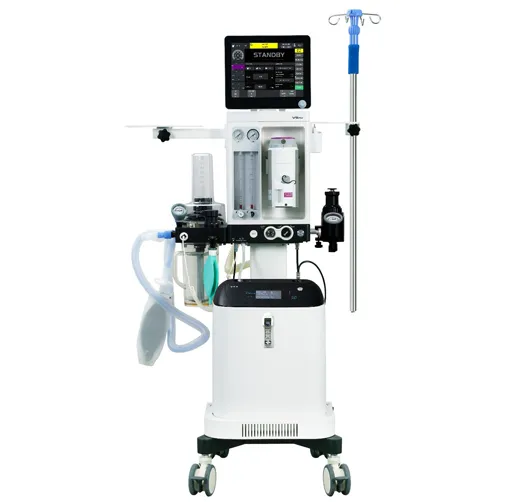
The landscape of veterinary medicine is shifting rapidly. Exotic pets—including rodents, rabbits, ferrets, birds, and small reptiles—are no longer rare visitors to the clinic; they represent a fast-growing segment of dedicated companion animal care. Yet, when these miniature patients require surgical intervention, they present some of the highest anesthetic risks in clinical practice.
For veterinary surgeons and research lab managers, the margin for error during the anaesthesia of exotic pets is virtually zero. A patient weighing only 100 grams possesses a minuscule tidal volume, an exceptionally high metabolic rate, and a fragile respiratory drive that cannot tolerate the mechanical resistance of a standard dog or cat workstation. Overcoming these anatomical and physiological hurdles requires a specialized exotic anesthesia machine engineered specifically for micro-flow ventilation and ultra-precise volatile agent delivery. Partnering with top-tier, innovation-focused anesthesia equipment manufacturers is the first critical step toward securing the specialized technology necessary to protect these tiny, delicate lives.
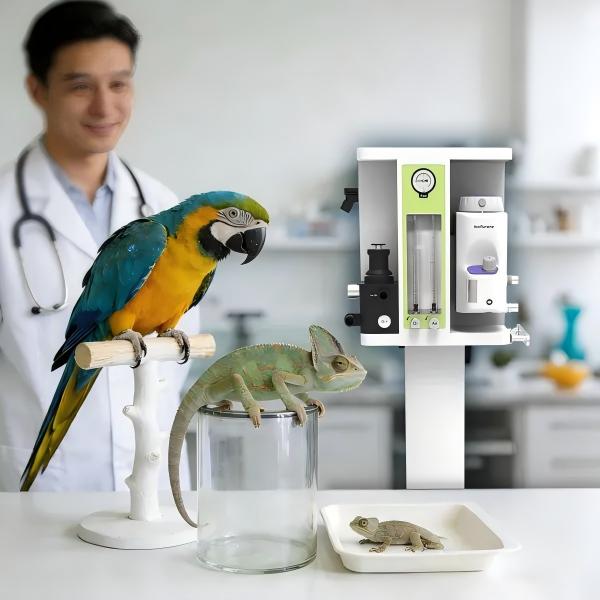
To safely manage a pocket pet, avian patient, or small reptile under general anesthesia, clinicians must look past basic downscaling and address unique respiratory physics.
Mechanical dead space is the volume of gas within the breathing circuit that does not participate in active gas exchange but is re-breathed by the patient. On a standard human or canine anesthesia circuit, the Y-piece, connectors, and standard tubing contain a dead space volume that may exceed 50 milliliters. For a Syrian hamster or a budgerigar, whose total tidal volume (the amount of air breathed in a single breath) might only be 1 to 2 milliliters, a standard circuit acts as a suffocating trap. The animal will continuously re-breathe its own exhaled carbon dioxide, leading to rapid, fatal hypercapnia and respiratory acidosis.
Exotic animals have a massive surface-area-to-body-mass ratio. Once anesthetized, they lose body heat at an alarming rate. Hypothermia directly suppresses their respiratory drive and slows down drug metabolism. Because their metabolic rates are incredibly high, any fluctuation in oxygen supply or anesthetic depth can result in cardiac arrest within seconds. Therefore, the circuit must utilize an open, non-rebreathing configuration supported by continuous, micro-metered fresh gas flows that instantly respond to clinical adjustments.
When vetting products from global anesthesia equipment manufacturers, look for these specific engineering milestones designed to eliminate small-patient surgical risks.
Standard veterinary flowmeters are calibrated in liters per minute (L/min), often starting at a minimum resolution of 0.5 or 1.0 L/min. For tiny patients, fresh gas flows must be delivered in hundreds of milliliters per minute. A specialized exotic anesthesia machine features a micro-flowmeter capable of adjusting gas pathways from 0.1 to 1.0 L/min with extreme resolution, allowing the clinician to fine-tune gas delivery with absolute confidence.
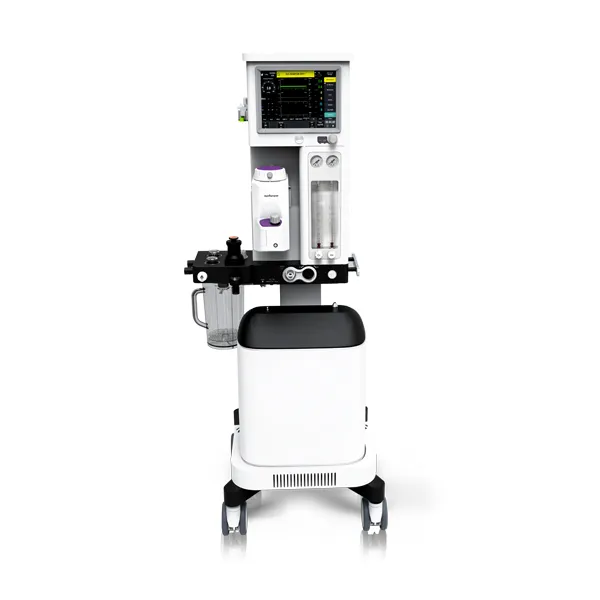
In miniature patient care, even a microscopic gas leak within the machine's internal block can cause a complete drop in pressure, leading to sudden waking or hypoxic events. A modern monoblock design with no exposed tubing integrates all gas channels into a single, seamless composite structure. This tube-free approach removes the risk of loose fittings, dry-rotted hoses, or internal circuit disconnects, ensuring an airtight, reliable gas path.
While exotic circuits frequently employ non-rebreathing configurations (such as a modified Bain or Jackson-Rees system) to bypass the dead space of a CO₂ absorber, a versatile workstation must allow for multi-species flexibility. Look for systems that feature a carbon dioxide absorber canister allowing one-hand installation and one-touch release. This permits a rapid transition back to a closed-loop system when a larger canine or feline patient occupies the operating table later in the day.
Managing diverse exotic species requires an anesthesia system that can switch configurations in a heartbeat without interrupting patient care.
An integrated ACGO with one-touch switching is an invaluable tool for exotic pet practitioners. With a single manual flip of a valve, the mixed anesthetic vapor is diverted away from the standard rebreathing circuit directly to a dedicated external port. This allows the immediate attachment of specialized exotic induction chambers, micro-masks, or non-rebreathing circuits, entirely bypassing internal resistance and dead space.
Smaller exotic clinics and research labs often lack massive centralized wall gas infrastructure. High-end modern workstations feature a dedicated oxygen concentrator port for use as an alternate oxygen source. This engineering feature allows the machine to run seamlessly off a dedicated, high-flow medical oxygen concentrator, eliminating total dependence on bulky, high-pressure gas cylinders and providing complete installation independence.
To build a truly safe, high-efficiency veterinary surgical theater, clinicians must match the mechanical capabilities of their equipment to the exact weight profiles of their patients.
| Animal Classification | Representative Species | Average Weight Range | Critical Anesthesia Requirement |
|---|---|---|---|
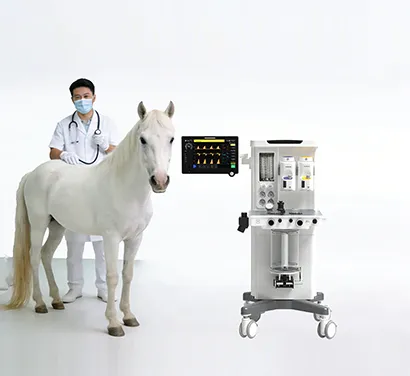
| Large Animals / Equine | Horses, Ponies, Donkeys | 200 kg - 1,000+ kg | Large-bore 50mm tubing, 15-30L reservoir bags, high-volume mechanical ventilation. |
| Companion / Small Animals | Medium-to-Large Dogs, Cats | 2 kg - 60 kg | Standard 15mm-22mm rebreathing circle circuits, standard 1-3L reservoir bags. |
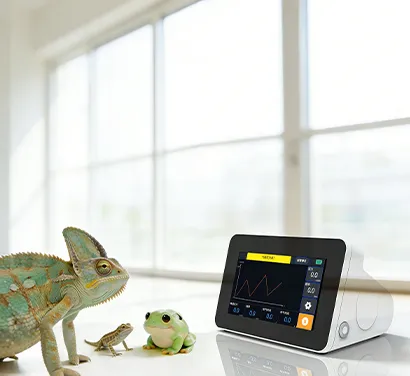
| Exotic / Lab Animals | Mice, Rats, Hamsters, Birds, Reptiles | 10 g - 1.5 kg | Micro-flow ventilation (0.1-1 L/min), zero dead space non-rebreathing circuits, active warming. |
Whether you operate a dedicated exotic animal clinic, an interventional research facility, or a high-throughput university laboratory, layout space is always premium. Your workstation must support versatile installation options to maximize efficiency and safety.
Tabletop Configuration: Placing a compact, monoblock exotic unit directly on a laboratory workbench or treatment counter brings the controls within arm's reach of the stereotaxic frame or magnifying surgical microscope.
Wall-Mounted Setup: Ideal for tight surgical suites, securing the unit to the wall clears valuable floor space, organizes scavenger lines, and minimizes accidental bumps.
Cart-Mounted Setup: Mounting the system to a heavy-duty, mobile trolley with smooth-rolling casters allows a single unit to move effortlessly between an induction station, a radiography room, and the final sterile surgical theater.
To assess the precise physical dimensions, modular configuration options, and tailored accessory packages for your specific facility layout, review the complete RHC Medical Products Portfolio to select your optimal workspace setup.
Mastering the anaesthesia of exotic pets requires a total departure from traditional small animal workflows. To protect patients whose entire blood volume may only equal a few milliliters, veterinary teams must eliminate mechanical dead space, employ micro-flow gas adjustments, and insist on absolute system integrity. By investing in an exotic anesthesia machine built by specialized, quality-driven anesthesia equipment manufacturers, your practice can confidently expand its clinical capabilities, reduce patient mortality rates, and deliver elite-tier medical care to the smallest and most fragile members of the animal kingdom.
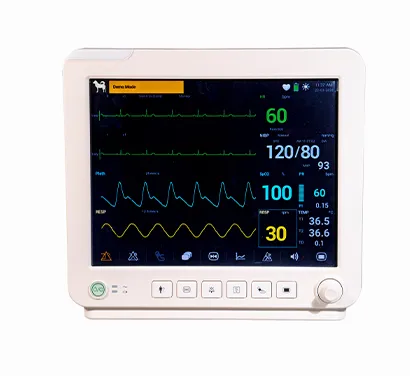
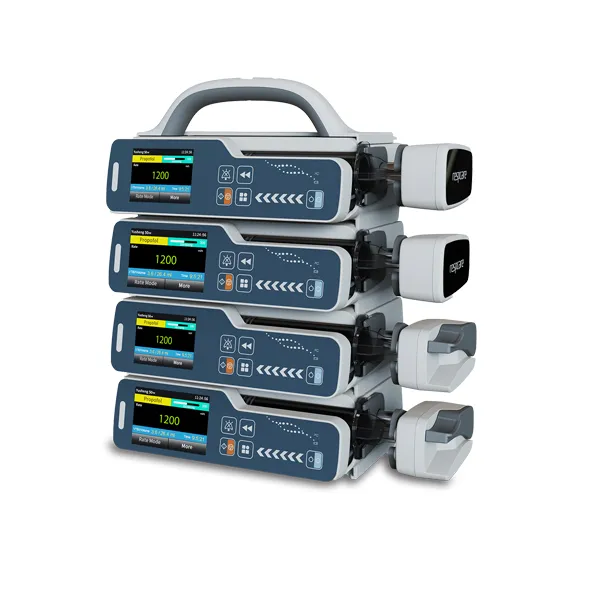
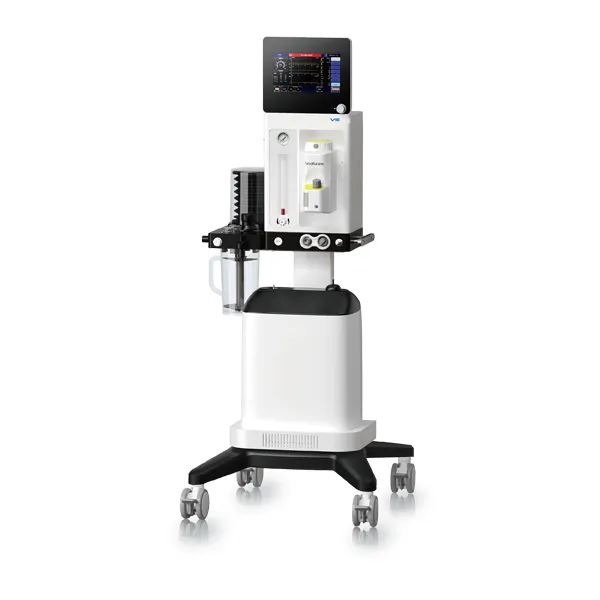
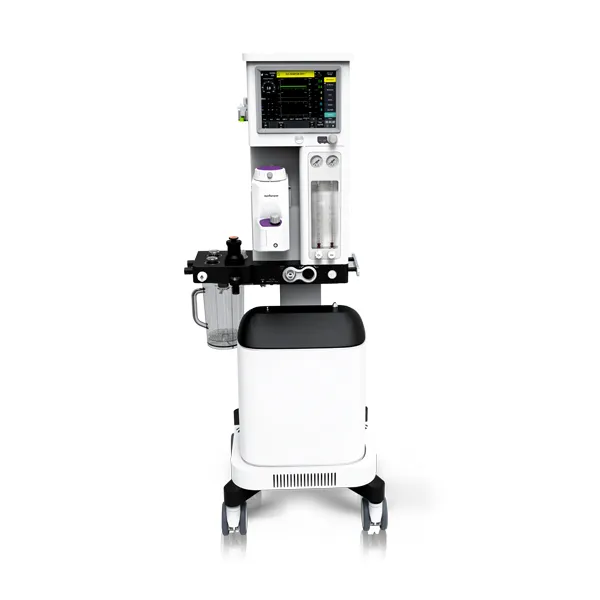
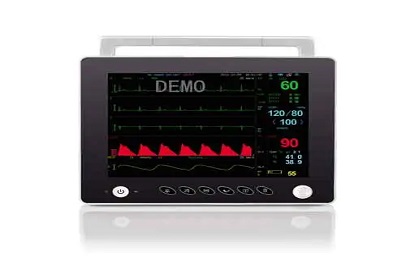
At RHC Medical, we pride ourselves on engineering world-class veterinary anesthesia systems, micro-injection syringe pumps, and advanced multi-parameter monitors that satisfy the demanding tolerances of modern veterinary specialists and global laboratory researchers.
Are you ready to elevate your clinic’s exotic and laboratory critical care capabilities with next-generation micro-flow technology? To speak directly with a procurement advisor, explore custom system pricing, or schedule a technical review, visit our official RHC Medical Contact Page today, and let us support your team with precision engineering.
Standard circuits possess a large amount of internal volume, which creates mechanical dead space. Because an exotic pet's tidal volume is microscopic (often 1-5 mL), they lack the lung capacity to push waste gas past this dead space. As a result, the animal will continuously re-breathe its own carbon dioxide, causing fatal respiratory failure.
While larger animals require flow rates measured in multiple liters per minute, exotic pets typically require micro-flows ranging from 100 mL/min to 1,000 mL/min (0.1 to 1.0 L/min). This requires an exotic anesthesia machine fitted with specialized high-resolution micro-flowmeters built by expert anesthesia equipment manufacturers.
An Auxiliary Common Gas Outlet (ACGO) with one-touch switching allows the veterinary surgeon to instantly route the anesthetic gas away from the main rebreathing circle to an independent external port. This lets you connect a dedicated exotic non-rebreathing circuit or an induction box instantly, without rebuilding the internal circuit of the machine.
Yes. Equipped with a dedicated oxygen concentrator port, the workstation can draw its primary or backup gas supply directly from an external veterinary-grade oxygen concentrator. This gives smaller exotic clinics and remote research laboratories total freedom from high-pressure gas cylinders and complex wall pipeline installations.
 EN
EN
 fr
fr  es
es  ru
ru  ar
ar