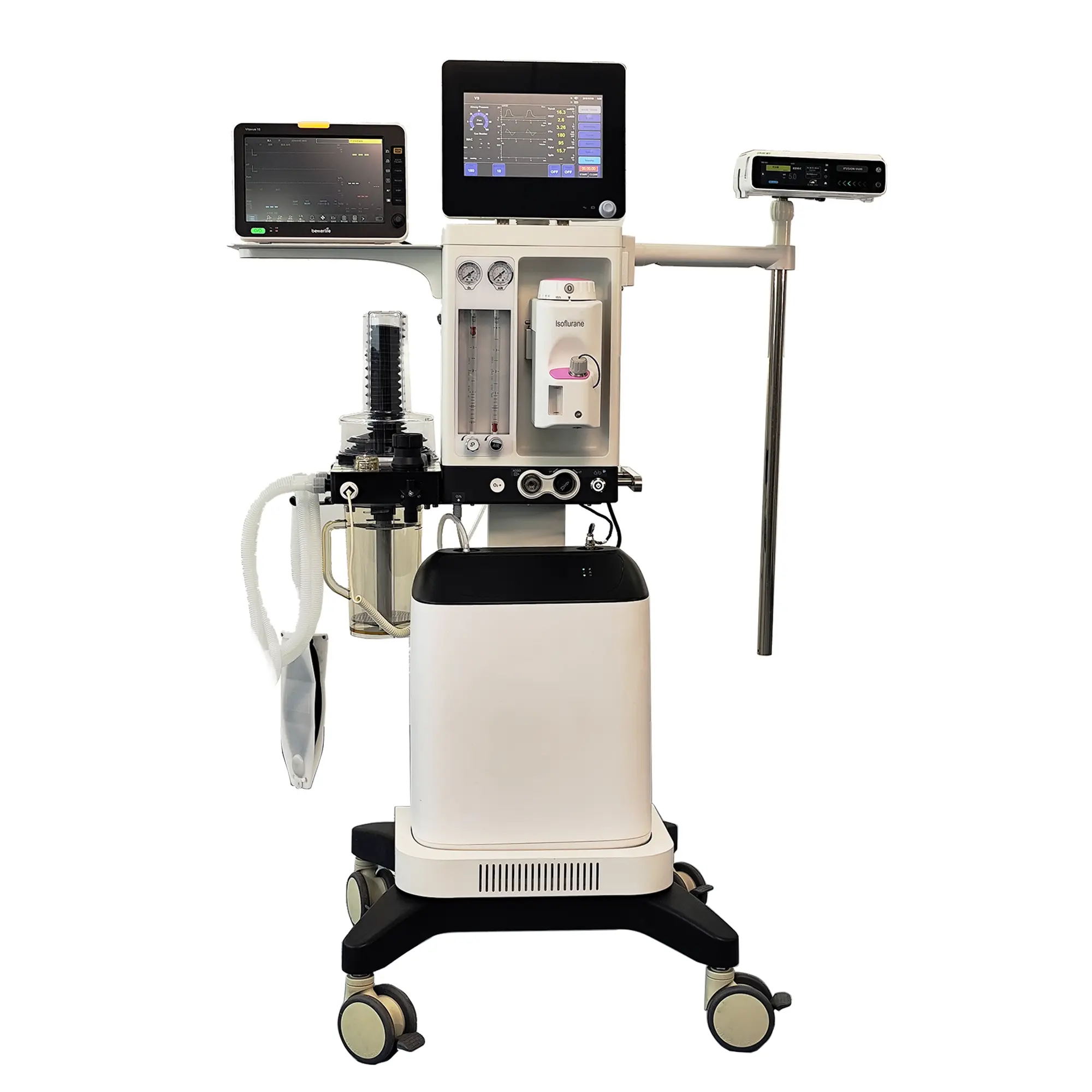
A veterinary anesthesia portfolio should not be built around one machine and several cosmetic variations. A cat in a clinic, a reptile in an exotic-pet practice, a laboratory animal and a horse in a large-animal hospital create very different anesthesia and ventilation requirements. For distributors serving multiple veterinary segments, product coverage has to follow those clinical differences.
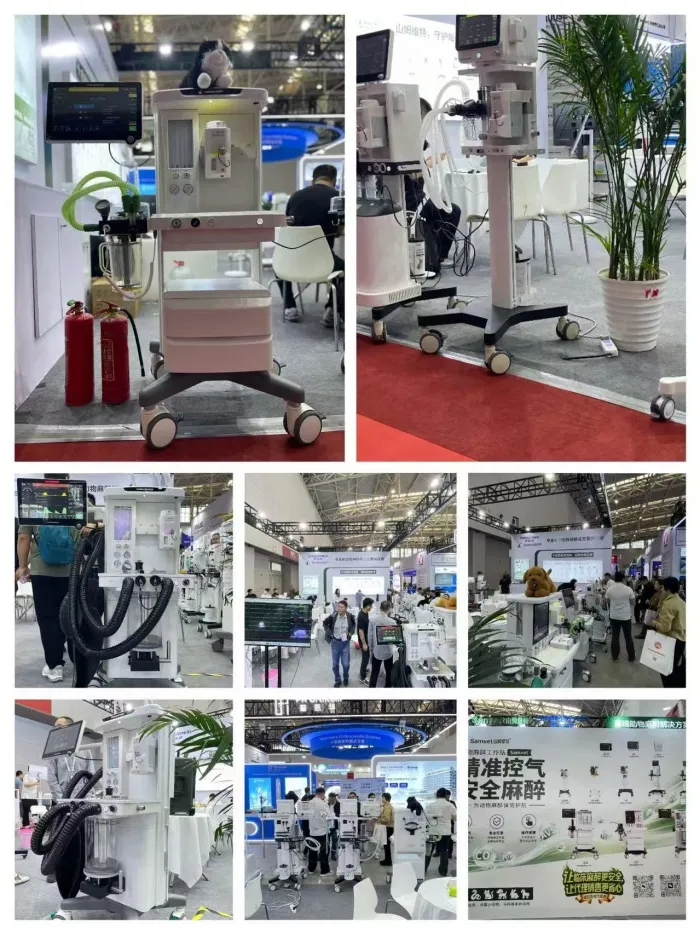
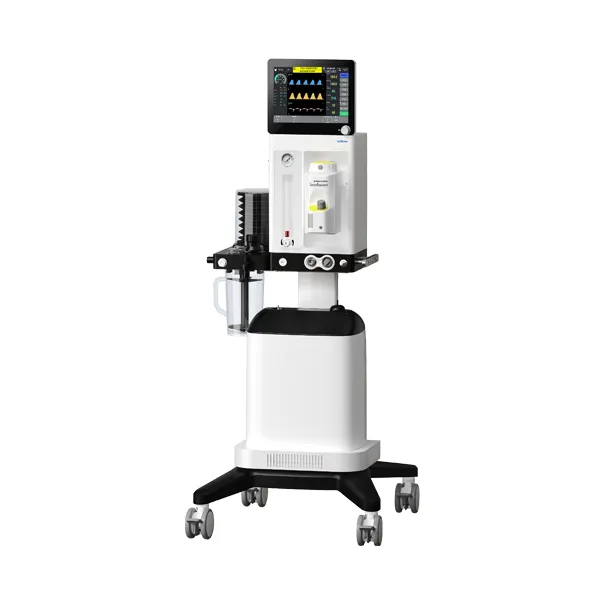
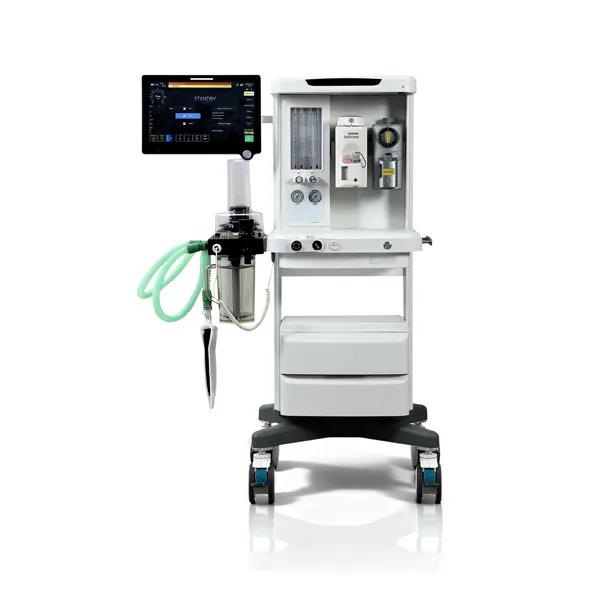
Small-animal anesthesia is the natural starting point. Modern veterinary anesthesia workstations such as the V5 Plus, X35VET, X55VET and CV50 series are designed around precise low-volume ventilation, integrated breathing systems and flexible monitoring. Depending on the model, tidal volume can start at 2 ml, with ventilation modes including VCV, PCV, PRVC, SIMV and spontaneous-support options. EtCO2, anesthetic-gas, SpO2 and oxygen monitoring can also be integrated or added according to the clinical configuration.
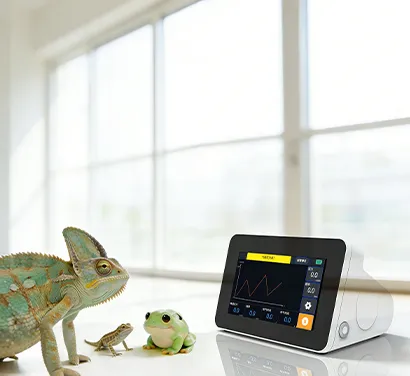
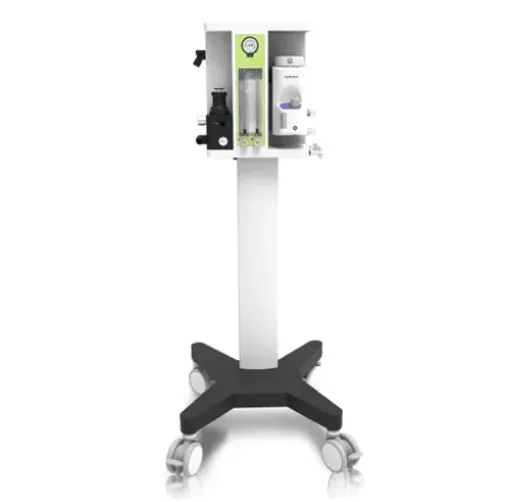
But small animals are only one part of the market. Exotic pets require a different approach. Birds, reptiles and small mammals are particularly sensitive to circuit resistance and dead space. Dedicated solutions such as the Q800 non-rebreathing anesthesia machine and QV10 ventilator address this segment with compact architecture, low-resistance design and ventilation intended for small exotic patients. Laboratory applications add another workflow, where induction chambers, mask channels and multi-channel configurations can be more relevant than a conventional operating-room workstation.
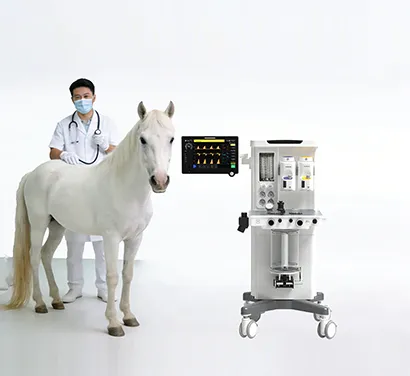
At the other end of the spectrum is large-animal anesthesia. The M800 large-animal anesthesia workstation extends the ventilation range to 50 ml–19 L and is designed for animals from approximately 5 kg to 1,800 kg. It combines fully electric operation with multiple ventilation modes, EtCO2-based AVS control, inspiratory hold and optional gas-monitoring modules. This is not simply a scaled-up small-animal machine; the ventilation range and clinical workflow are built around large-animal requirements.
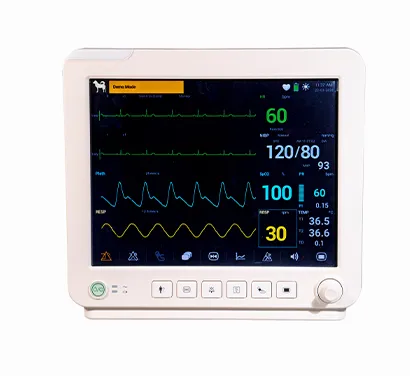
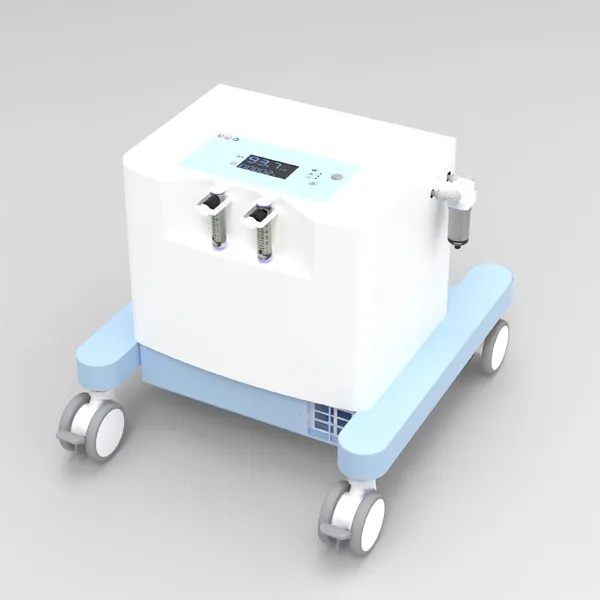
A complete veterinary anesthesia solution also needs supporting equipment. Oxygen and air concentrators, standalone veterinary ventilators, patient monitors, syringe pumps, MRI-oriented anesthesia systems and portable anesthesia units allow distributors to build configurations for general clinics, referral hospitals, CT/MRI rooms, universities and research facilities.
For an international veterinary equipment distributor, this portfolio approach has a commercial advantage as well: one supplier can support different customer profiles without forcing every hospital into the same configuration. The goal is not to sell the largest machine. It is to match the anesthesia system to the animal, procedure and clinical environment.
 EN
EN
 fr
fr  es
es  ru
ru  ar
ar