EN
EN
 fr
fr  es
es  ru
ru  ar
ar 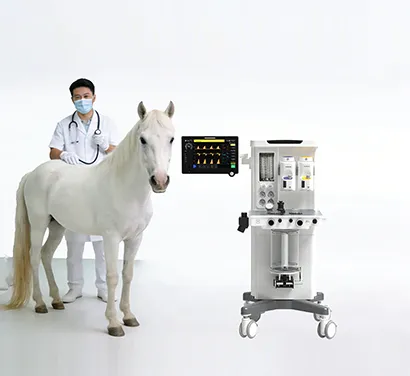
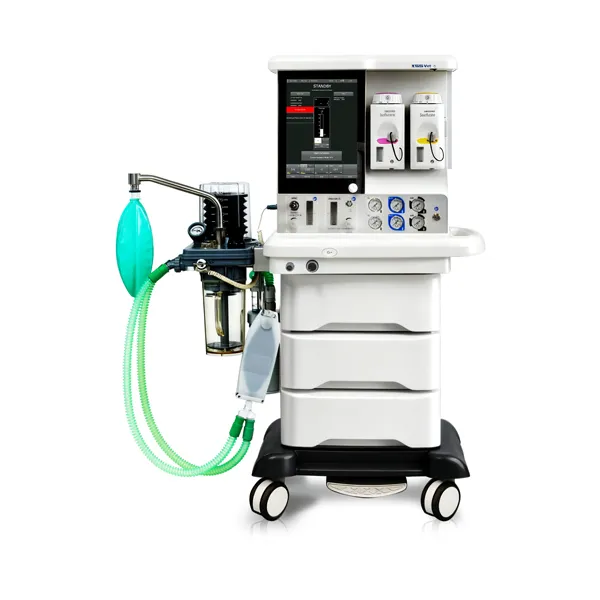
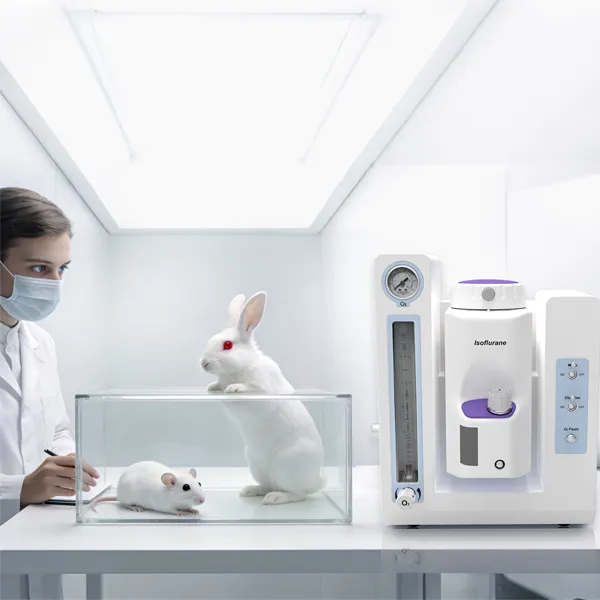
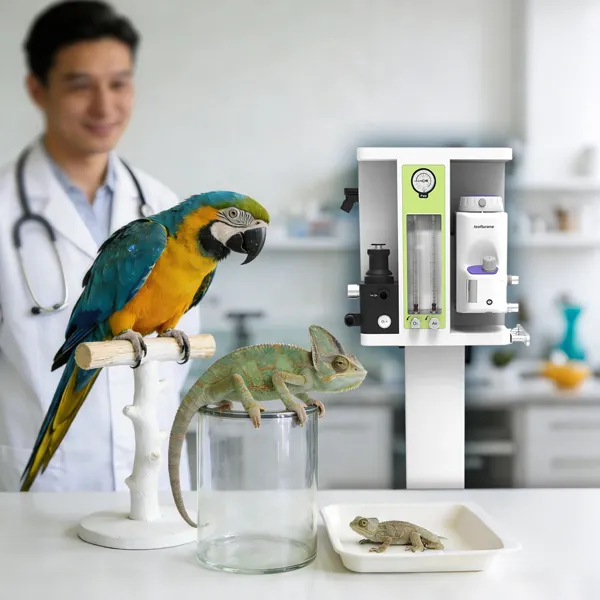
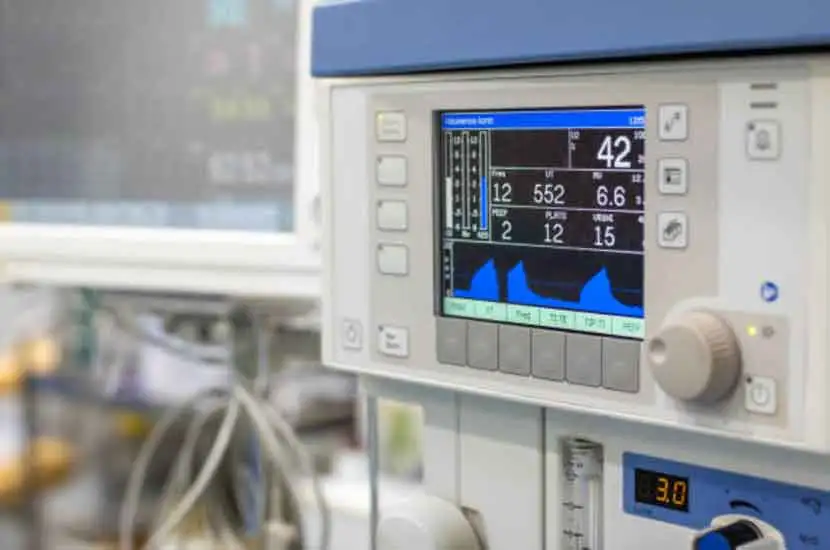
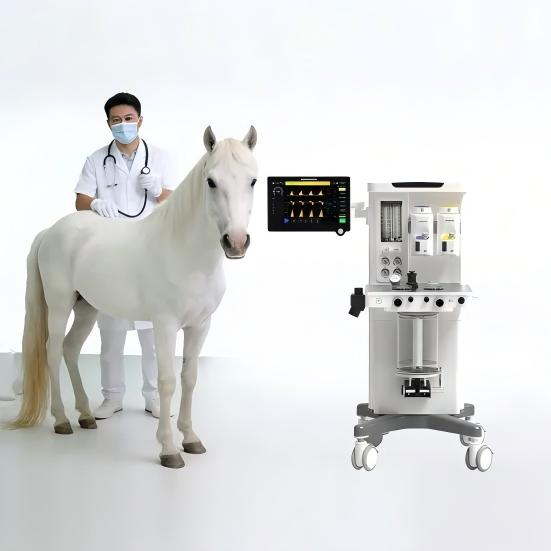

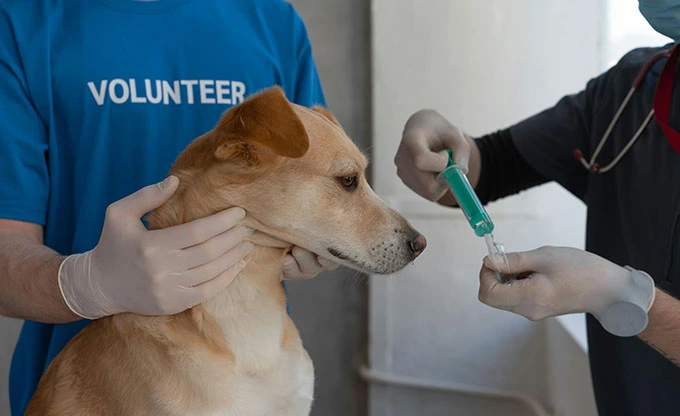
Veterinary anesthesia is often discussed in terms of species, tidal volume and clinical workflow. But there is another question that matters just as much: how is the anesthesia machine actually built? For distributors and veterinary hospitals evaluating a long-term equipment partner, manufacturing logic can be as important as the specification sheet.
An anesthesia workstation is a life-support system. Stable gas delivery, accurate ventilation, reliable pressure control, alarm logic and long-term component consistency all depend on what happens before the machine reaches the operating room. That is why we believe veterinary anesthesia equipment should be developed with the same manufacturing discipline used for human anesthesia systems—not by simply adapting a basic veterinary platform and adding more functions.
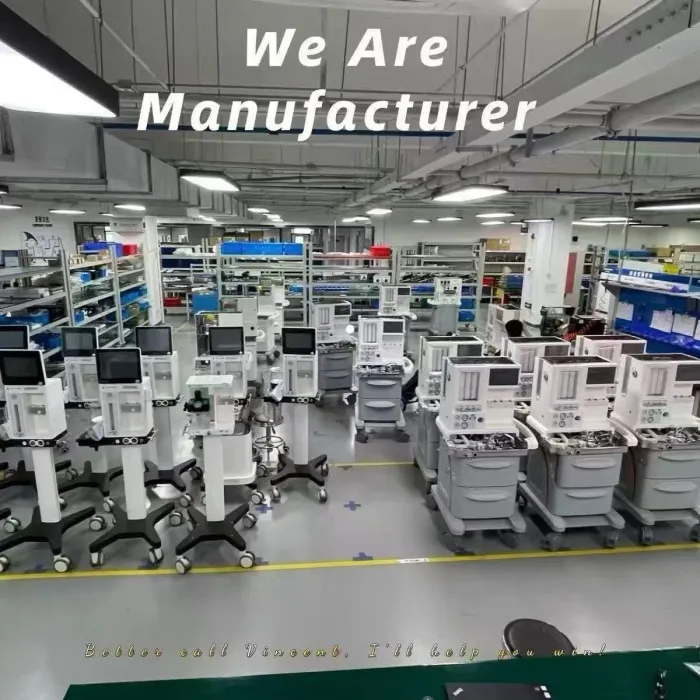
Our manufacturing background began with human anesthesia and critical-care equipment. The production system covers incoming-material inspection, component assembly, software debugging, aging, calibration and final inspection, supported by a structured QC and QA process. The factory documentation also describes ISO 13485 quality management, dedicated inspection procedures and more than 90 types of testing equipment. This experience provides a practical foundation for veterinary product development.
The same logic can be seen at component level. In our current veterinary portfolio, critical parts such as multi-gas modules, SpO2 sensors and PCBA share supply-chain resources with human medical devices. The objective is not to make a veterinary machine unnecessarily complicated. It is to bring mature engineering, component control and repeatable production into a market where reliability directly affects clinical confidence.
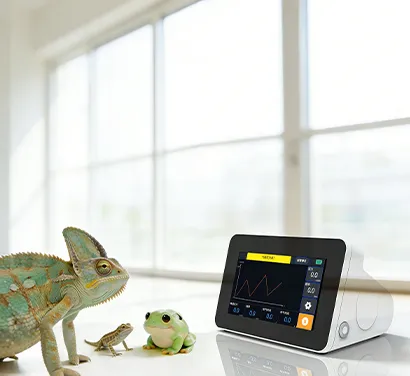
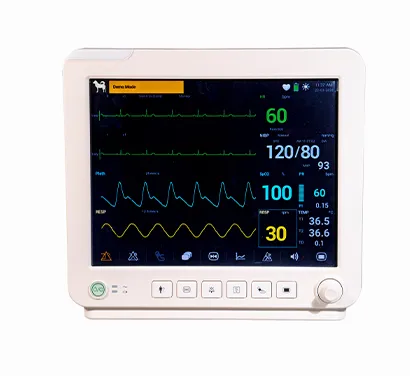
At the clinical end, veterinary-specific engineering still matters. Small-animal anesthesia may require tidal volumes down to 2 ml, low expiratory resistance, non-rebreathing options and ventilation algorithms adapted to animal respiratory patterns. CT applications may require inspiratory-hold functions, while advanced workstations may integrate EtCO2, anesthetic-gas, SpO2 and FiO2 monitoring. Human-grade manufacturing logic provides the foundation; veterinary-specific design makes that foundation useful in daily practice.
For a veterinary anesthesia machine distributor, OEM partner or animal hospital, the real question is therefore not simply “How many ventilation modes does this machine have?” A better question is: “What manufacturing system stands behind those modes after hundreds or thousands of operating hours?”