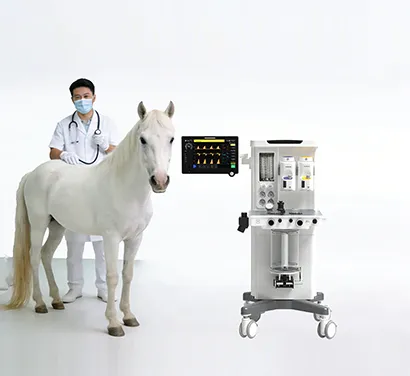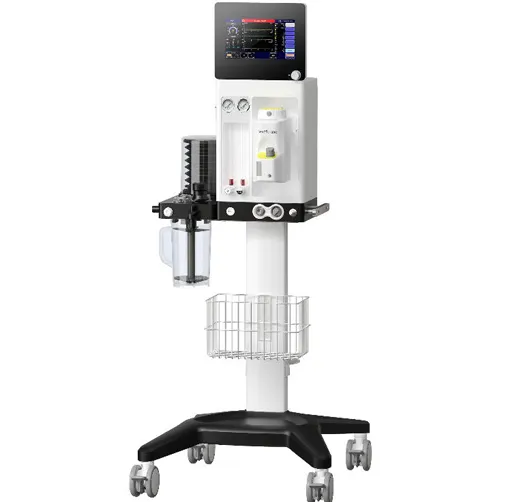
In veterinary medicine, managing equine anesthesia represents one of the most demanding challenges an animal hospital or surgical center can face. Unlike small companion animals, horses possess a massive physiological scale, a highly sensitive respiratory drive, and a unique prone-position vulnerability under general anesthesia. A standard veterinary anesthesia workstation simply cannot cope with a 1,200-pound patient.
For veterinary clinical directors, procurement managers, and equine practitioners, understanding the precise technical blueprints of specialized anesthesia systems is critical to patient survival and surgical success. When searching for the right system, evaluating the engineering standards of leading anaesthesia ventilator manufacturers ensures that your clinic is equipped with the safety-critical technology required for anesthesia for horses.
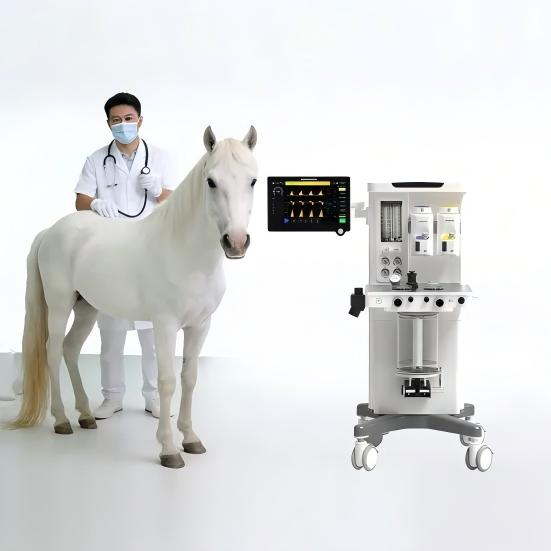
To understand the engineering behind an equine anesthesia machine, one must look at the immense physiological stress a horse undergoes during recumbency (lying down for surgery).
When a horse is placed on an operating table, the sheer weight of its abdominal organs presses against the diaphragm. This severely compresses the dependent lung fields, causing atelectasis (collapsed alveoli). Oxygenated air enters the upper lung regions, while blood flows heavily toward the lower, compressed regions. This creates a massive V/Q mismatch.
Without a highly robust, high-volume mechanical breathing circuit, a horse under general anesthesia will rapidly develop severe hypoxemia (low blood oxygen) and hypercapnia (high blood carbon dioxide).
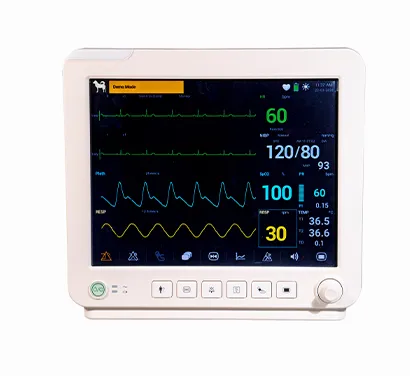
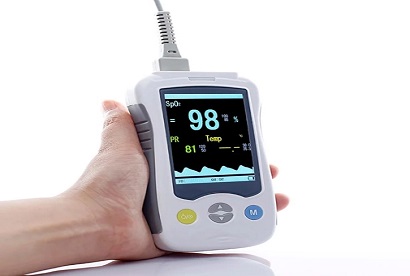
Inadequate depth of anesthesia for horses combined with poor blood pressure management can lead to postanesthetic myopathy (tying-up) or radial nerve paralysis. The anesthesia machine must deliver volatile agents with absolute concentration accuracy while allowing for precise integration of patient monitors to keep mean arterial pressure (MAP) above 70 mmHg.
When auditing equipment from global anaesthesia ventilator manufacturers, several non-negotiable technical features must be analyzed to guarantee maximum large animal safety.
A standard dog or cat requires a breathing bag between 1 to 3 liters. An adult horse requires a breathing reservoir bag of 15 to 30 liters. The entire circle system must be engineered with wide-bore internal tubing (typically 50mm in diameter) to drastically reduce gas flow resistance. Additionally, the inspiratory and expiratory directional valves must be engineered from high-durability, lightweight materials that respond immediately to the horse's tidal breaths without adding mechanical dead space or resistance.
Horses produce enormous amounts of metabolic CO2. An efficient equine anesthesia machine must feature an oversized carbon dioxide absorber canister (typically 5 to 10 liters of soda lime capacity). Look for systems engineered for quick-change, one-handed installation to ensure that absorbent can be replaced mid-procedure without breaking the closed-circuit pressure seal.
Due to the high fresh gas flow rates used in large animal anesthesia, active waste gas scavenging is essential to protect the surgical team from chronic exposure to inhalant anesthetics like Isoflurane or Sevoflurane.
Controlled mechanical ventilation is almost always mandatory during prolonged anesthesia for horses. Spontaneous breathing is rarely sufficient to maintain normal blood gas values on the operating table.
| Feature | Small Animal / Companion System | Equine System |
|---|---|---|
| Tidal Volume Range | 50 mL - 1,500 mL | 3,000 mL - 20000 mL |
| Reservoir Bag Size | 0.5 L - 3 L | 15 L - 30 L |
| Tubing Diameter | 15mm - 22mm | 50mm (Wide-Bore) |
| CO₂ Canister Capacity | 5 .0 L | 5.0 L |
| Drive Mechanism | Small Bellows / Turbine | Electronic / Giant Bag-in-Bottle Bellows |
Tidal Volume Capability: The ventilator must be able to deliver precise tidal volumes ranging from 3.0 liters up to 20.0 liters without structural flexing or volume loss.
Peak Inspiratory Pressure (PIP) Control: Large animal lungs are highly susceptible to barotrauma if over-pressurized. Accurate, electronically monitored safety relief valves (pop-off valves) are vital.
Positive End-Expiratory Pressure (PEEP): The capability to apply PEEP (typically 5-10 cm H2O) is highly beneficial for keeping compressed alveoli open and correcting V/Q mismatches during long equine surgeries.
When partnering with premium anaesthesia ventilator manufacturers, verify that the electronic control interface provides real-time waveforms for airway pressure and flow. This provides the respiratory therapist with the immediate data necessary to make fine-tuned adjustments during critical procedures.
Equine surgical suites vary wildly in their architectural layouts. A fixed, rigid machine can restrict a surgical team's movement around a massive animal.
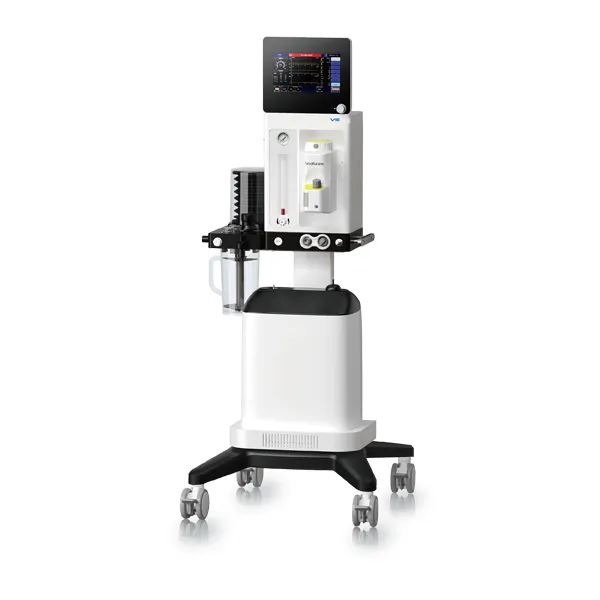
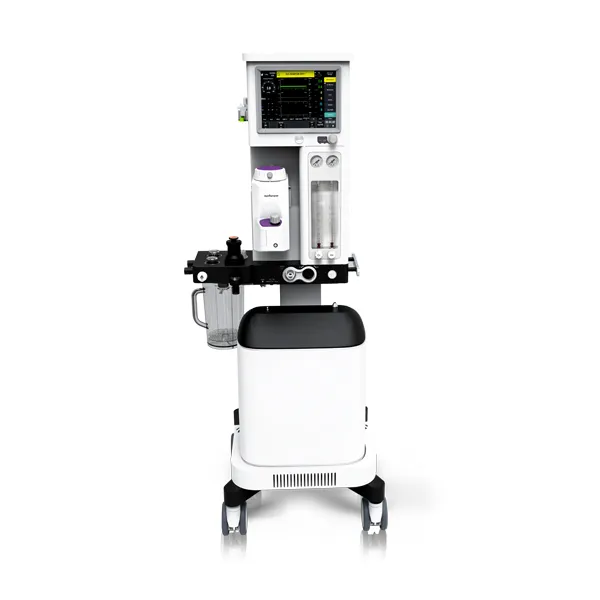
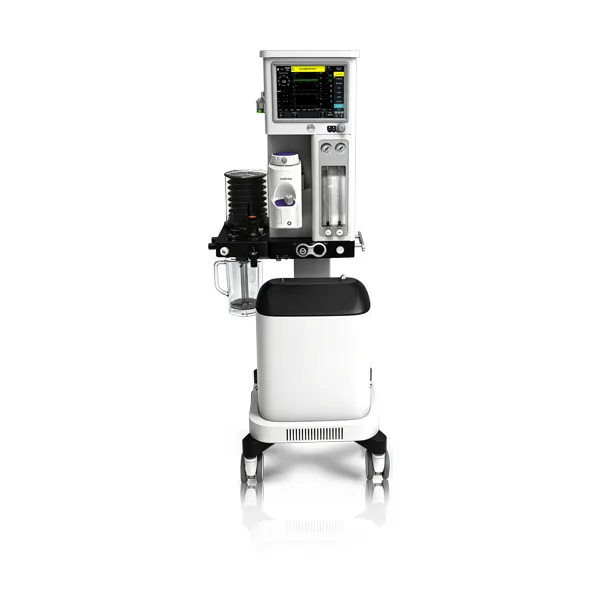
Versatile Mounting Configurations: Modern systems should support flexible installation footprints. Whether your facility requires a space-saving wall-mounted system, a tabletop configuration for specialized induction stalls, or a heavy-duty mobile cart-mounted workstation with locking casters, modularity maximizes clinic efficiency.
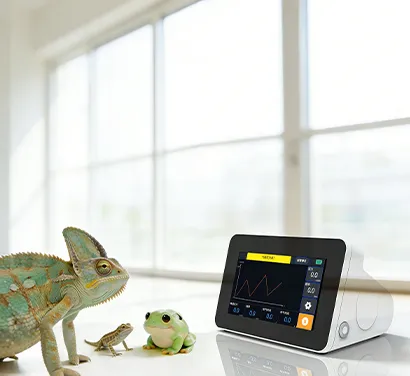
Integrated Auxiliary Common Gas Outlets (ACGO): One-touch switching between the main large-animal circle system and an auxiliary outlet allows the machine to instantly connect to a smaller non-rebreathing circuit. This allows a single machine to double as a backup unit for foals or small exotic animals.
To review complete system specifications, exploration options, and installation dimensions across various operating room configurations, check the official RHC Medical Products Portfolio for detailed catalog data.
One of the largest hidden costs in large animal surgery is the volume of volatile anesthetic liquid consumed. Because fresh gas flows are naturally high in equine anesthesia, choosing a machine with exceptional sealing, ultra-low leakage tolerances, and precision vaporizers is critical to your clinic's financial health.
An airtight monoblock design that minimizes external exposed tubing drastically reduces the chance of dangerous circuit leaks. By minimizing accidental gas escape, your clinic can confidently utilize low-flow anesthesia techniques, saving thousands of dollars annually on your medical gas and inhalant agent budget while maintaining a safer, toxin-free operating environment for your staff.
Engineering safety into anesthesia for horses requires a deliberate shift away from small-animal thinking. From managing severe V/Q mismatches to deploying high-volume mechanical ventilation, every component of an equine anesthesia machine must be robust, reliable, and meticulously calibrated. By evaluating the mechanical, electronic, and structural standards of trusted anaesthesia ventilator manufacturers, veterinary hospitals can minimize surgical risk, optimize anesthetic gas budgets, and deliver world-class care to their large animal patients.
At RHC Medical, we engineer state-of-the-art anesthesia workstations, precision syringe pumps, and critical care monitoring systems designed to meet the rigorous demands of modern veterinary clinics, equine hospitals, and advanced research facilities worldwide.
Ready to upgrade your surgical suite with the next generation of safe, high-efficiency large animal anesthesia systems? To contact our engineering team or speak with a commercial sourcing specialist, please submit an inquiry via our RHC Medical Contact Page to receive a customized technical consultation.
No. Standard machines are built for small tidal volumes (up to 1,500 mL) and use narrow tubing. An adult horse requires a specialized equine anesthesia machine capable of delivering up to 2,0000 mL tidal volumes through wide-bore 50mm circuits with a 15-30L reservoir bag. Using a small system will cause rapid suffocation due to massive breathing resistance.
Due to their heavy body weight, recumbent horses experience extreme abdominal pressure on their diaphragm, causing their lungs to collapse (atelectasis). Spontaneous breathing is insufficient to overcome this, leading to rapid oxygen drops. A ventilator engineered by professional anaesthesia ventilator manufacturers forces open the lungs using controlled pressure and volume to prevent fatal hypoxemia.
Positive End-Expiratory Pressure (PEEP) maintains a small amount of positive pressure in the lungs even at the end of an exhalation. This prevents the horse's heavy internal organs from completely collapsing the lower alveoli, significantly improving blood oxygenation during long surgical procedures.
Traditional anesthesia machines feature maze-like arrangements of external rubber and plastic tubing, which are highly prone to degradation, cracking, and dangerous gas leaks. An integrated monoblock design eliminates exposed tubes, significantly reducing circuit leak rates, stabilizing anesthetic gas concentration, and saving your clinic's oxygen budget.
 EN
EN
 fr
fr  es
es  ru
ru  ar
ar