EN
EN
 fr
fr  es
es  ru
ru  ar
ar 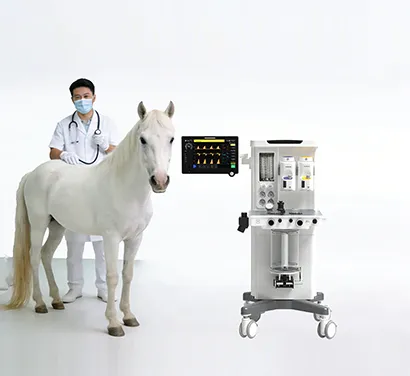
Apr-10-2024
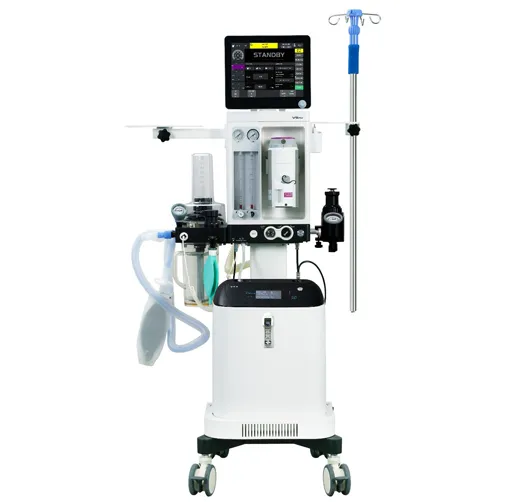

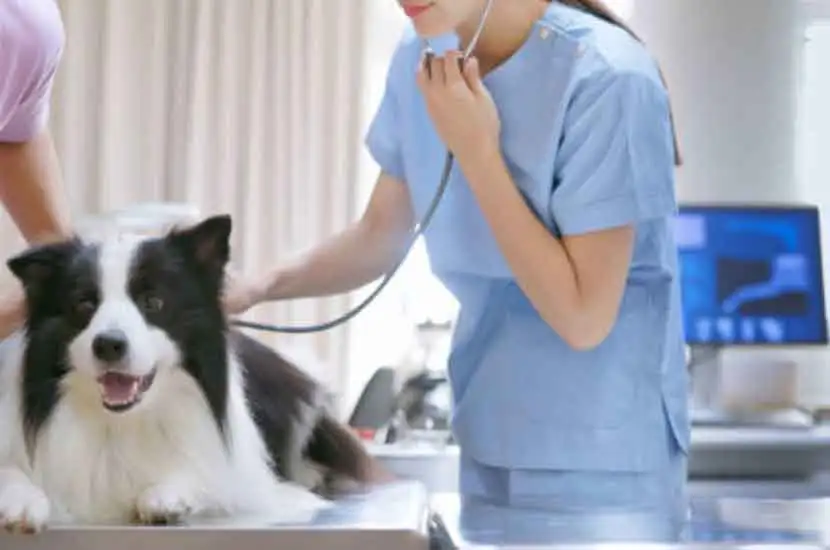
Walk into a twenty-first-century veterinary hospital and the one piece of capital equipment you will see in every single treatment bay is an animal-dedicated anesthesia machine. It has become as fundamental as the X-ray tube or the ultrasound probe, and for three simple reasons: safety, throughput and profit.
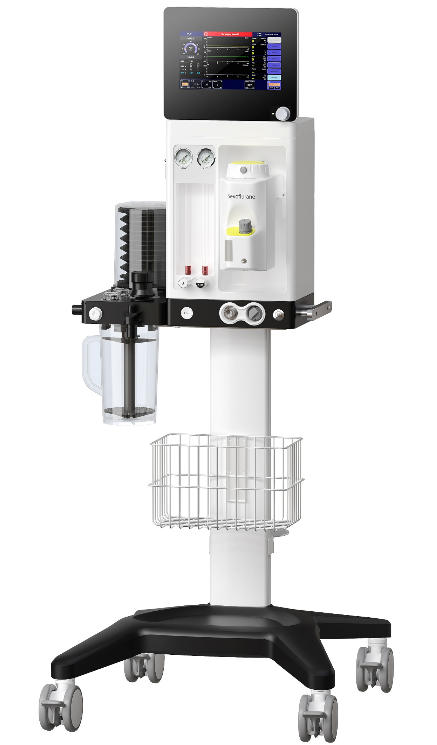
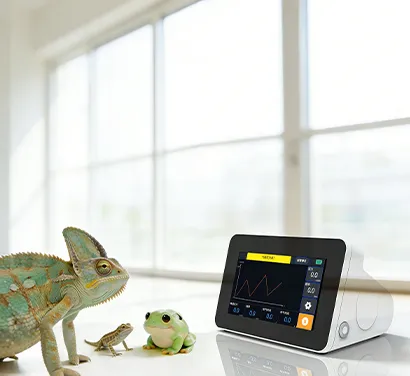
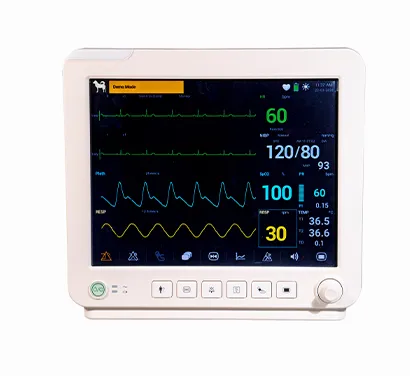
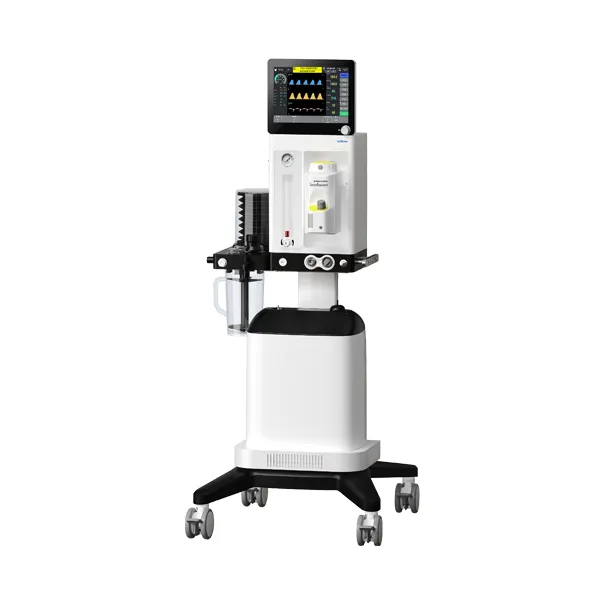
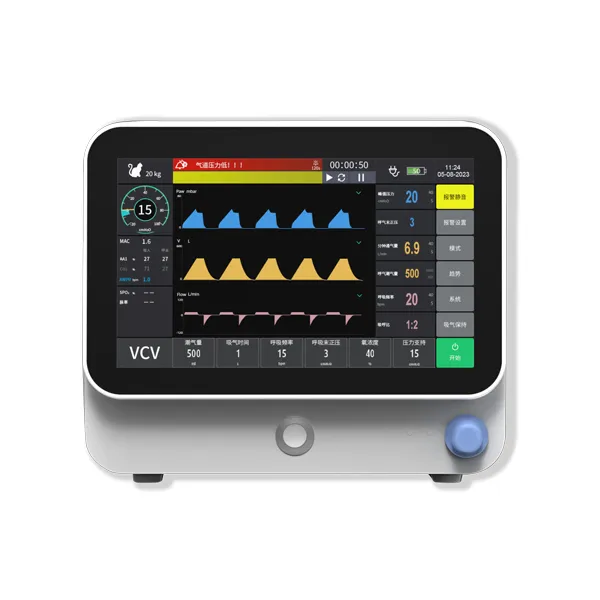
A hand-injected “sleep cocktail” may look quick, but it offers no guard against airway obstruction, no PEEP to recruit atelectatic alveoli, no way to fine-tune depth second-by-second. The V5's turbine-driven ventilator delivers breaths as small as 2 ml—smaller than a cat's own tidal volume—while the heated circuit keeps mucosa warm and monitors every inhale and exhale on a live waveform. That level of control turns high-risk neonates, exotics or brachycephalics into routine cases and protects the veterinarian from the most common malpractice claim: anesthetic death.
A machine that induces faster and recovers cleaner means more procedures per day. Because the V5 uses an electric blower instead of high-pressure oxygen to drive the bellows, you can run low-flow sevoflurane below 500 mL min⁻¹ and still hit target MAC within minutes. Less agent, less oxygen, shorter wake-up times, table turned around for the next cruciate repair or dental radiograph. One extra case a day pays the lease on the unit.
Pet owners now Google “safe anesthesia for bulldogs” before they book. If your website shows a heated, nine-mode ventilator with CO₂ loops and a battery back-up, you win the click. If the competitor down the road still uses table-top chambers and masks, you win the client. An animal anesthesia machine is no longer a luxury; it is the visual proof that you practice evidence-based medicine.
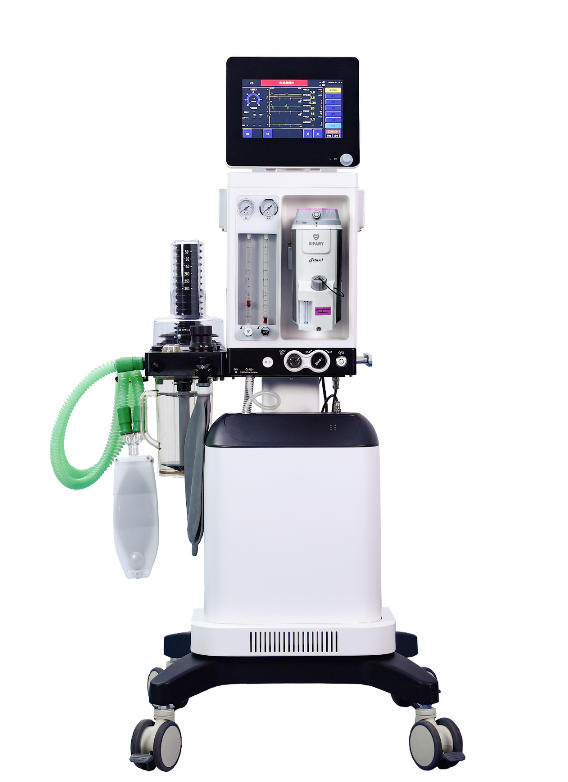
Put precision, economy and marketing power on one trolley and the decision becomes obvious: the V5 is the simplest upgrade that moves your clinic from “old school” to “state of the art” overnight.