EN
EN
 fr
fr  es
es  ru
ru  ar
ar 
Address
Room A206, 2nd Floor, Building 1, No. 1, Disheng South Street, Economic Development Zone, Beijing

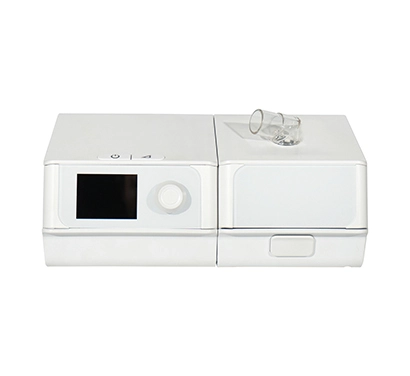
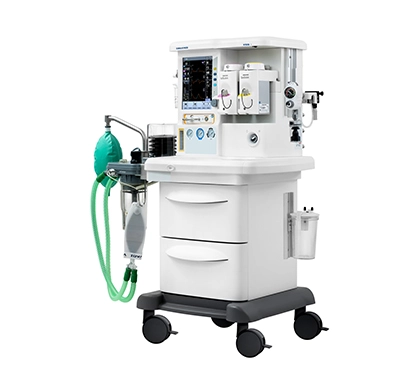
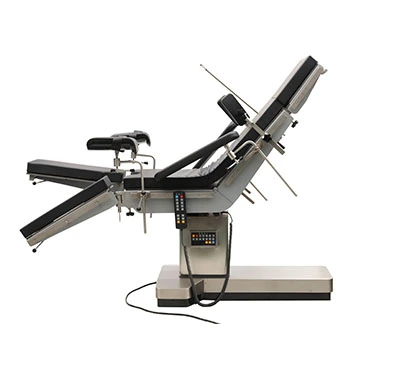
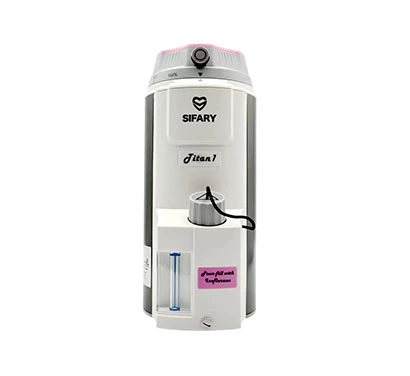
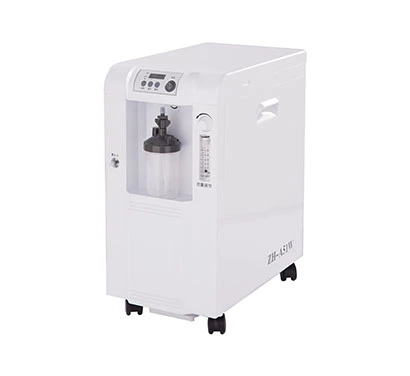
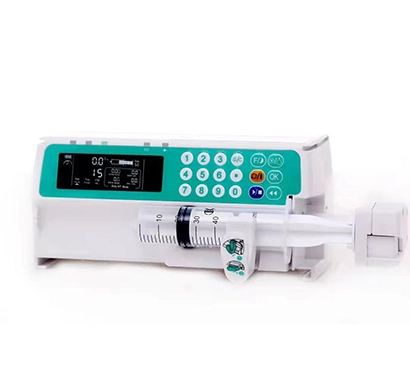
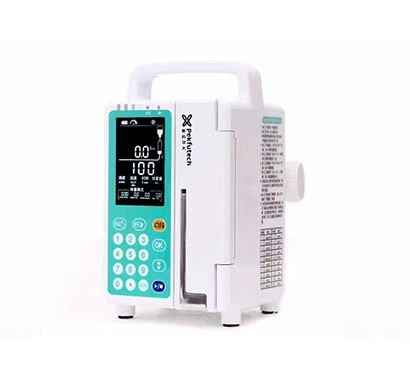
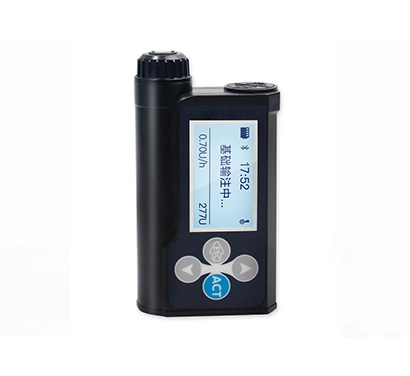
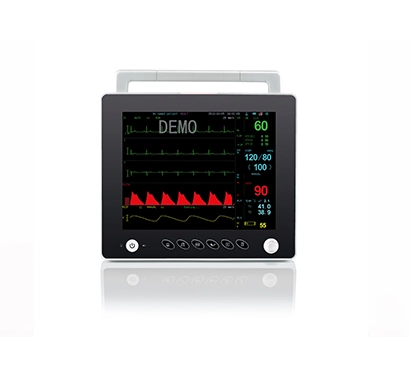
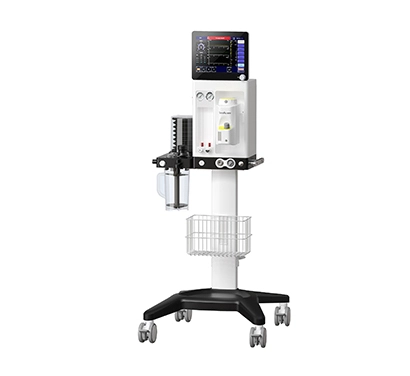
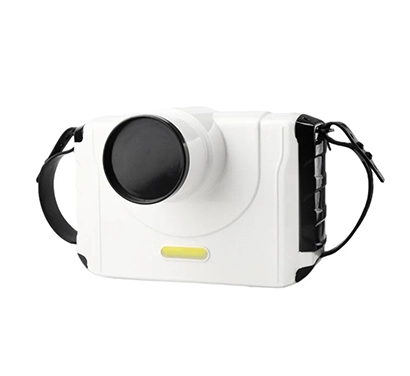
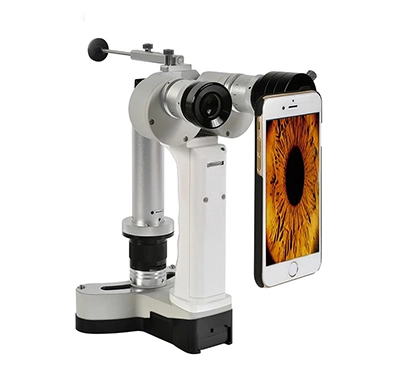
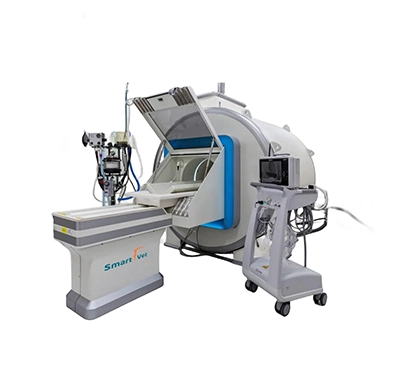
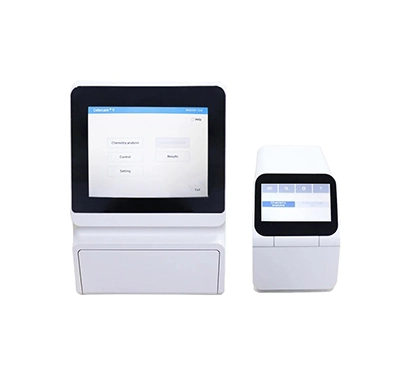
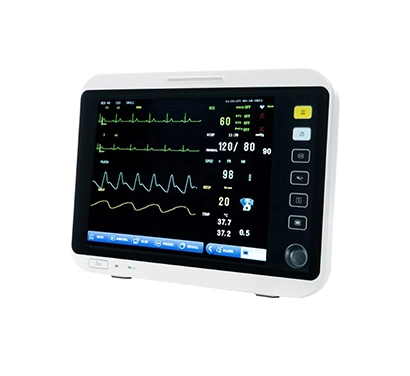
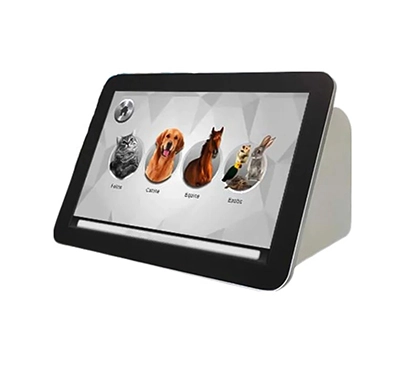
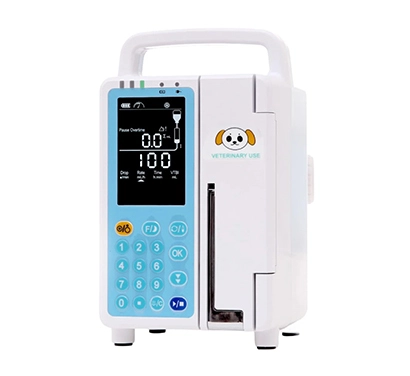
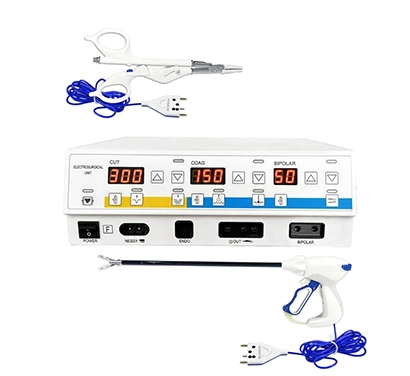
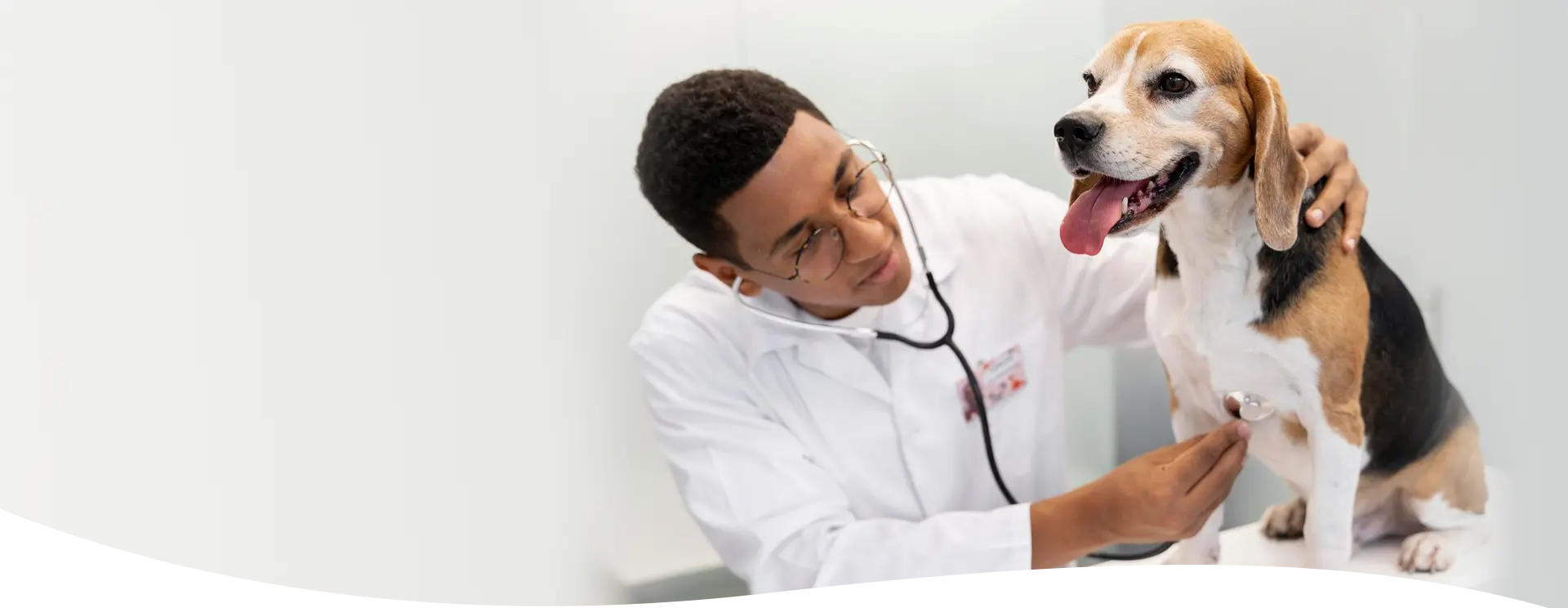
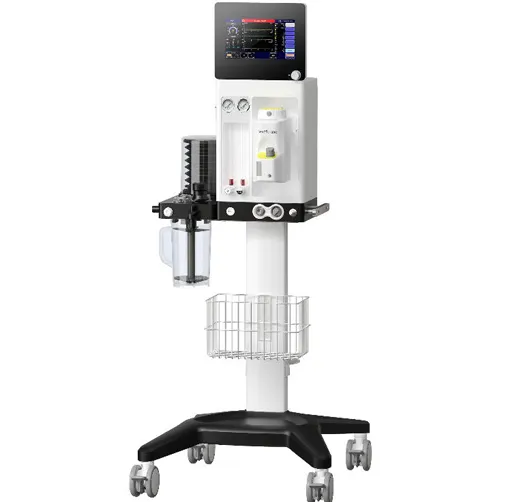
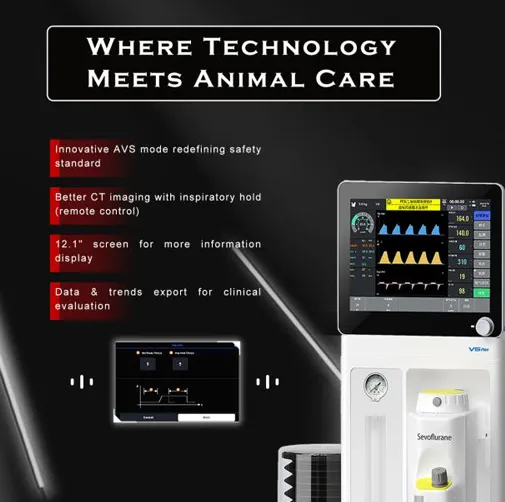
The veterinary monitors for sale from RHC Medical is a crucial in veterinary practice to continuously monitor vital signs and parameters of animal patients. This animal medical device provides real-time information on heart rate, blood pressure, temperature, and more, enabling veterinarians to assess and ensure the well-being of animals under their care.
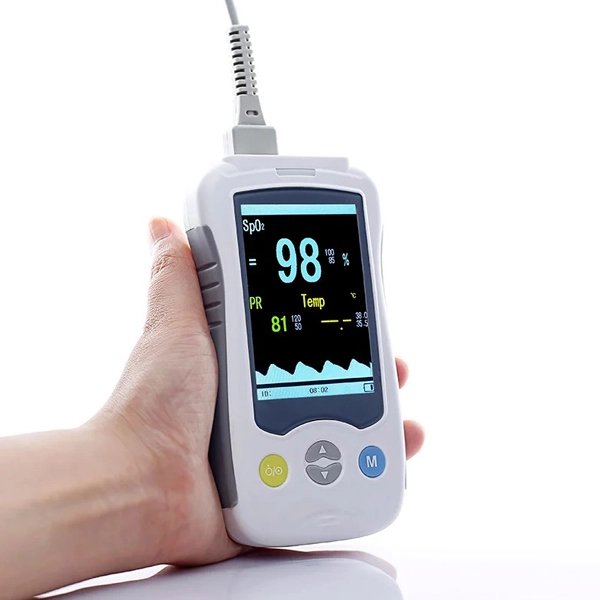
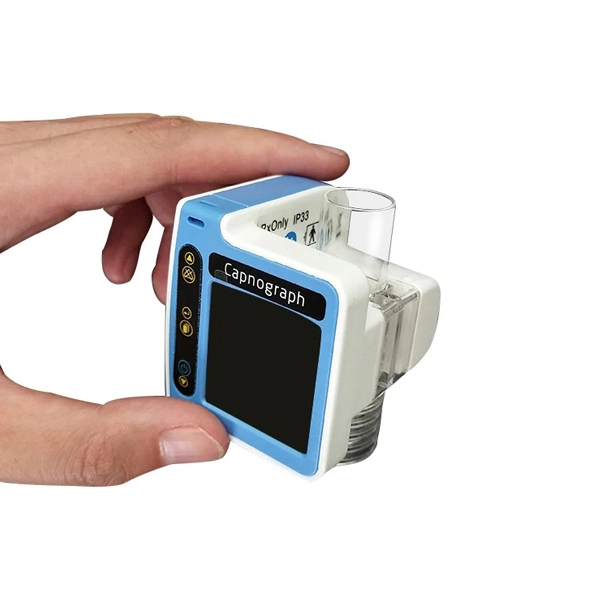
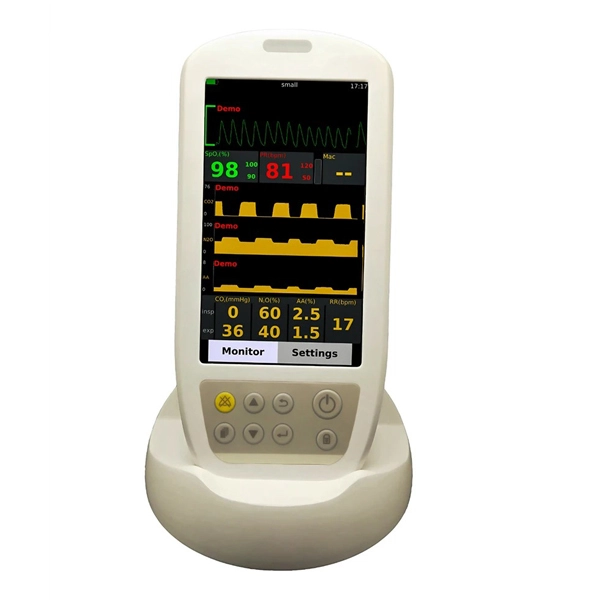
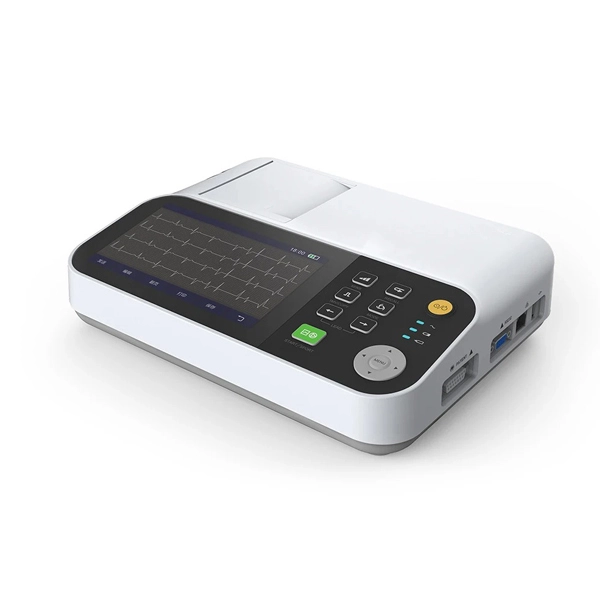
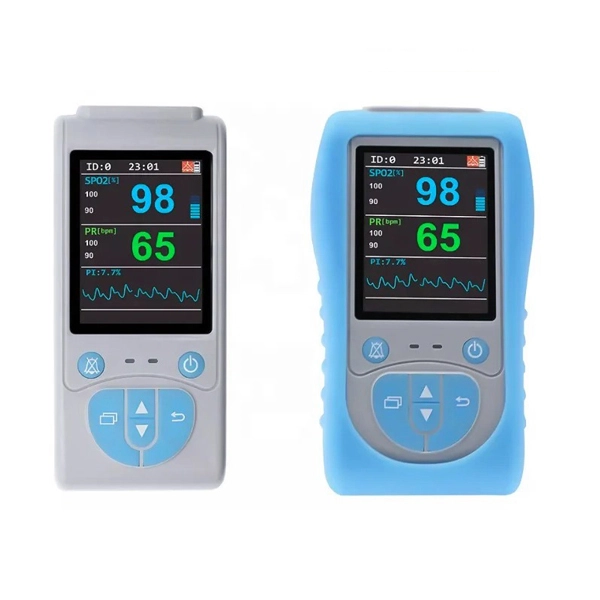
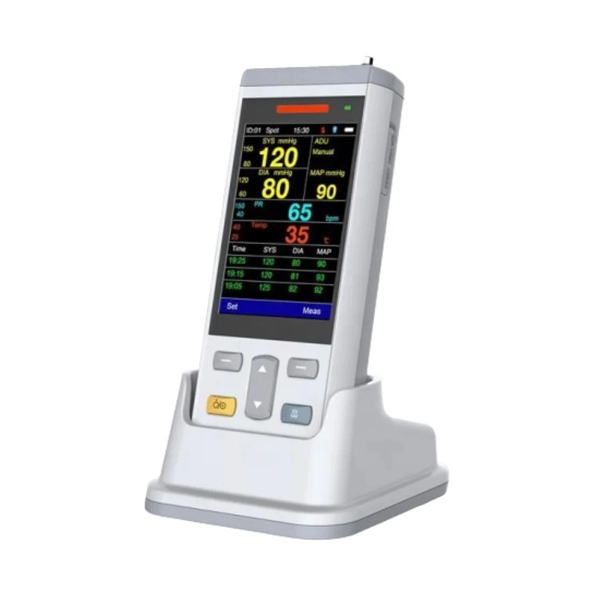
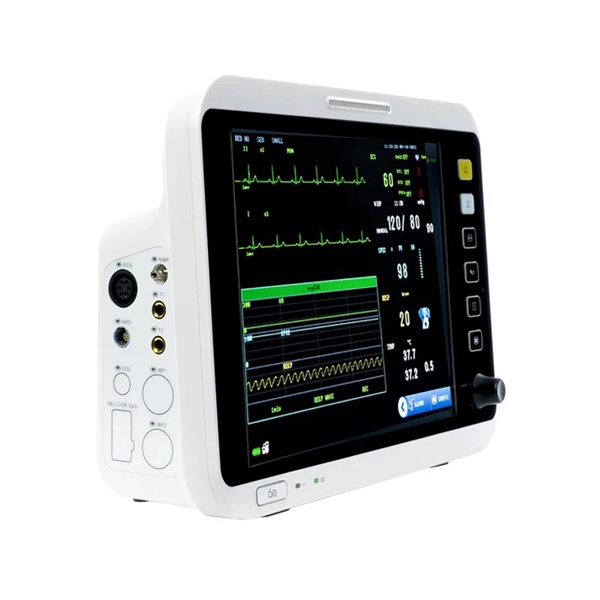
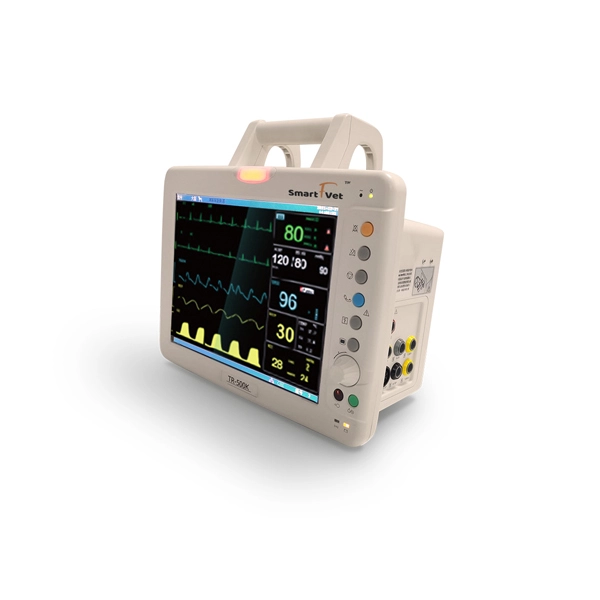
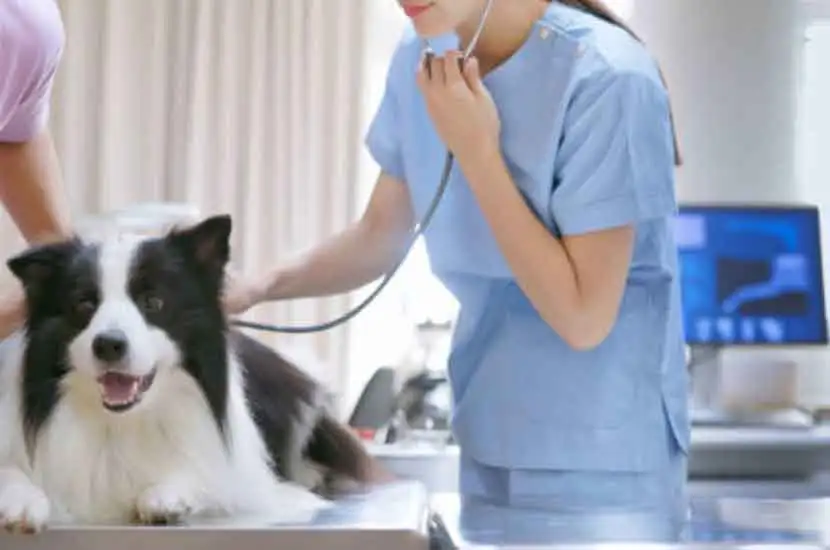
The veterinary monitor for sale from RHC Medical is an animal medical device used in veterinary medicine to continuously monitor vital signs and parameters of animals during medical procedures or while recovering from illness or surgery. These veterinary monitors for sale typically measure parameters such as heart rate, respiratory rate, blood pressure, oxygen saturation, and temperature. Veterinary monitors provide real-time data, allowing veterinarians to assess the animal's condition and respond promptly to any changes or abnormalities. Monitoring animal patients helps ensure their safety, detect potential complications, and guide treatment decisions. RHC Medical's veterinary surgical monitors are essential tools in providing optimal care and improving outcomes for animals in veterinary clinics, hospitals, and other healthcare settings.
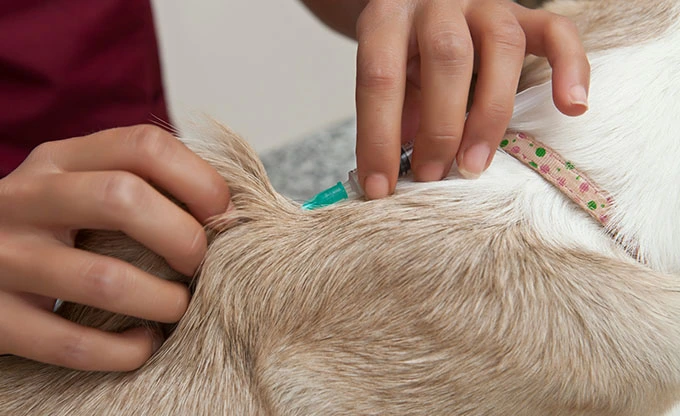
Real-Time Vital Sign Monitoring: Veterinary monitors for sale allow continuous monitoring of vital signs such as heart rate, respiratory rate, blood pressure, oxygen saturation, and temperature. This helps veterinarians assess an animal's health status and detect any changes or abnormalities promptly.
Early Detection Of Complications: RHC Medical's veterinary monitors provide alerts and alarms for abnormal vital signs, enabling early detection of potential complications. This allows for timely intervention and treatment, improving patient outcomes.
Anesthesia And Surgical Monitoring: Veterinary surgical monitors are essential during anesthesia and surgical procedures, providing real-time feedback on an animal's physiological parameters. This helps ensure the animal's stability and safety throughout the procedure.
Trend Analysis And Data Storage: RHC Medical's Veterinary monitors for sale capture and store data over time, allowing for trend analysis and retrospective assessment of an animal's health. This aids in monitoring the effectiveness of treatments and making informed decisions for ongoing care.
Enhanced Safety And Reduced Stress: Our veterinary surgical monitors provide continuous monitoring, reducing the need for frequent manual checks and minimizing stress for animals. This promotes their well-being and improves the overall veterinary experience.